


A year later, Sheikh Abdulrahman proposed changing the name, and King Saud chose Al-Hilal from three suggested names, making it the first Saudi club named by a royal decree on December 13, 1957. The club's blue and white colors were selected to stand out from other teams. Initially, Sheikh Abdulrahman managed all aspects of the club until 1960, when the first official board of directors was formed to assist in administration, marking the start of Al-Hilal's organized growth and legacy.
Sponsored By
SECTION HITSORY NEW
Header History NEW
Summary history new
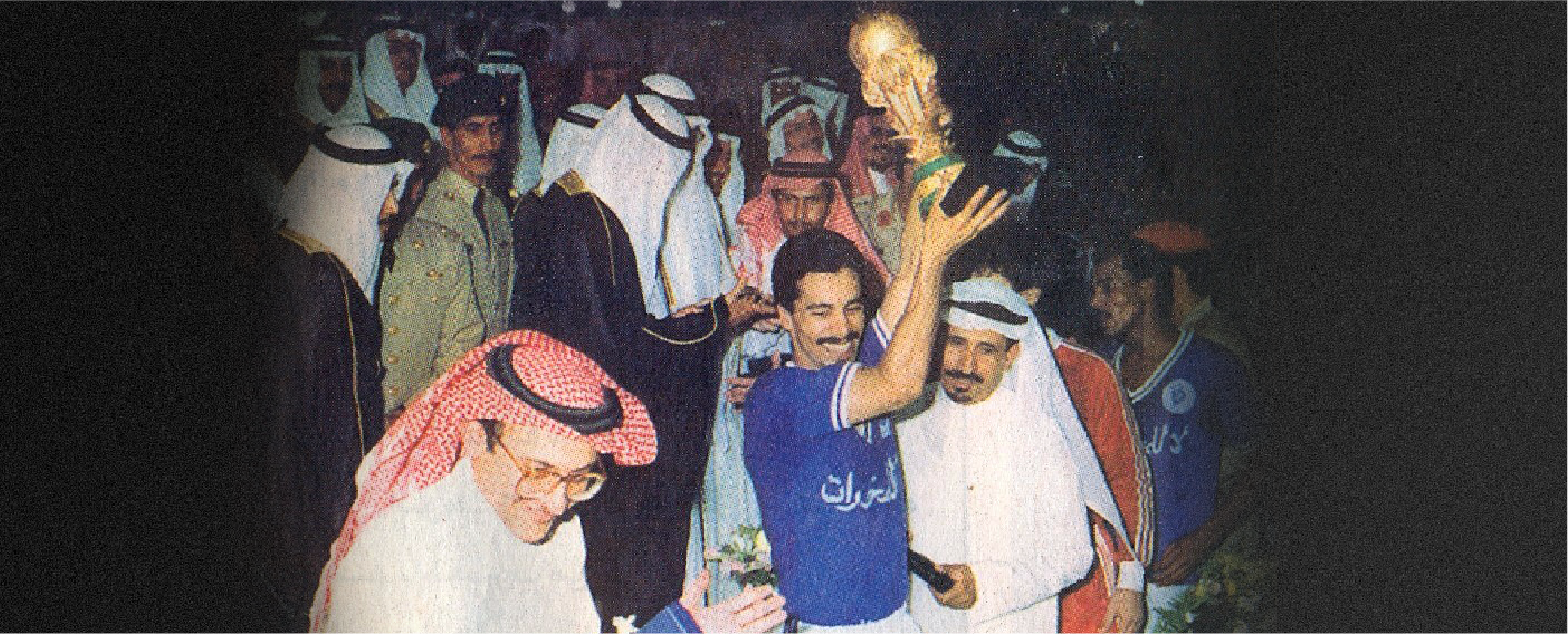

Al-Hilal Club's history began in the 1950s in Riyadh, founded by Sheikh Abdulrahman bin Saeed, a pioneer of Saudi sports.
Originally named Al-Olympi Club in October 1957, it was formed with top players and faced early challenges in establishing itself.
Text Block Title
sub-titleIntro paragraph
body copy body copy body copy body copy body copy body copy body copy body copy body copy body copy body copy body copy body copy body copy body copy body copy body copy body copy body copy
body copy body copy body copy body copy body copy body copy body copy body copy body copy body copy body copy body copy body copy body copy body copy body copy body copy body copy body copy

“My granddad laid bricks for the East Stand."
"I scored my debut goal in front of it. That’s what this club means — it’s family.”
— Jamie Blyth, academy graduate & current first-team midfielder

In 1957, in the heart of Riyadh, there lived a young man passionate about sports and football: Sheikh Abdulrahman bin Saeed, the Sheikh of sports people.
This ambitious young man was able to establish a club that would become more than just a football club. It began as Al-Olympi Club, then its name was changed to Al-Hilal by royal decree. It was founded on passion, faith, and an unwavering desire to represent its fans.
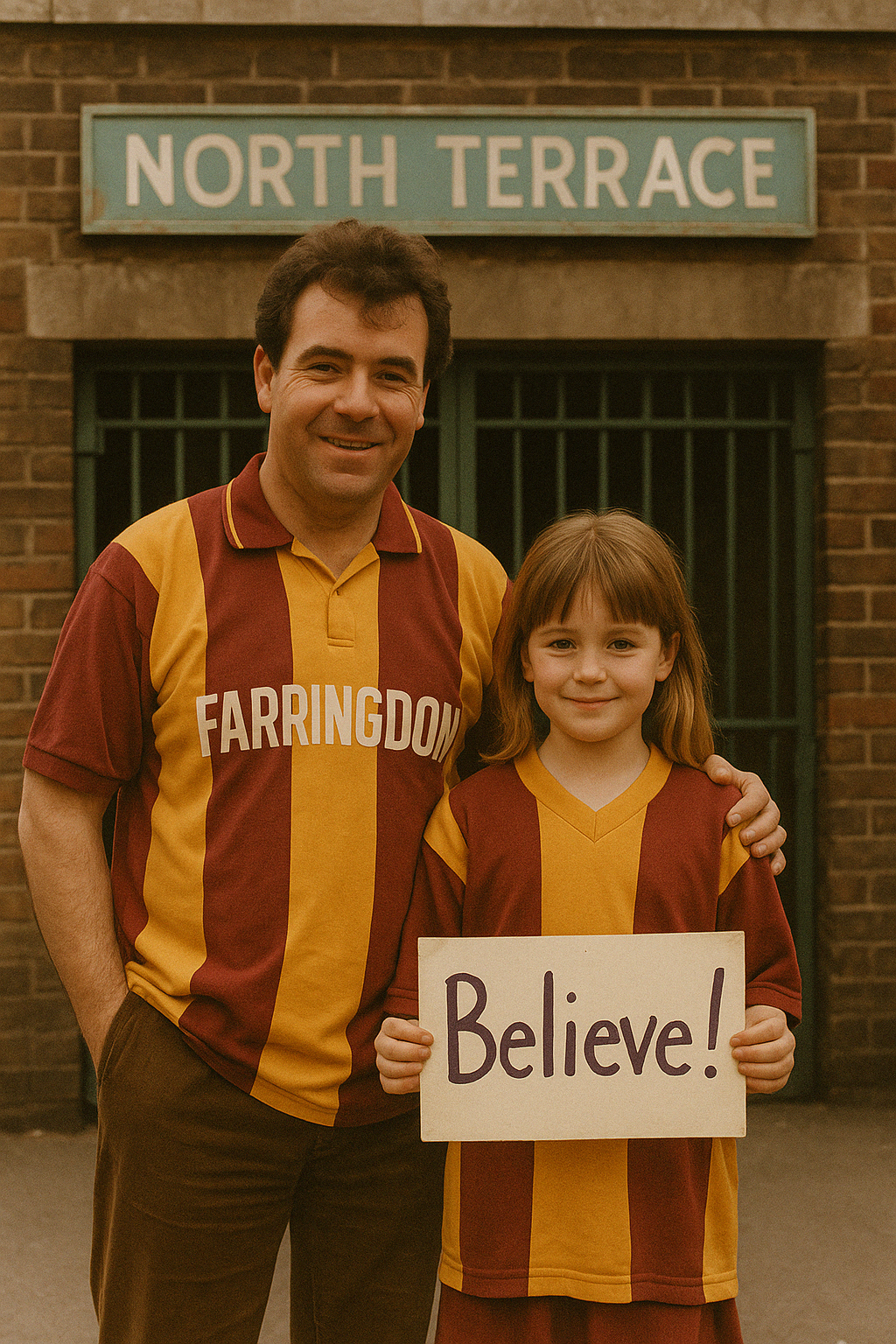
“I was 12 when we beat Gillingham in the '88 playoff semi."
"My dad lifted me up on his shoulders and said, ‘We’re going up, love.’ We didn’t, but I’ve been hooked ever since.”
— Emily Rae, lifelong supporter, Stuttgart Fan Club founder
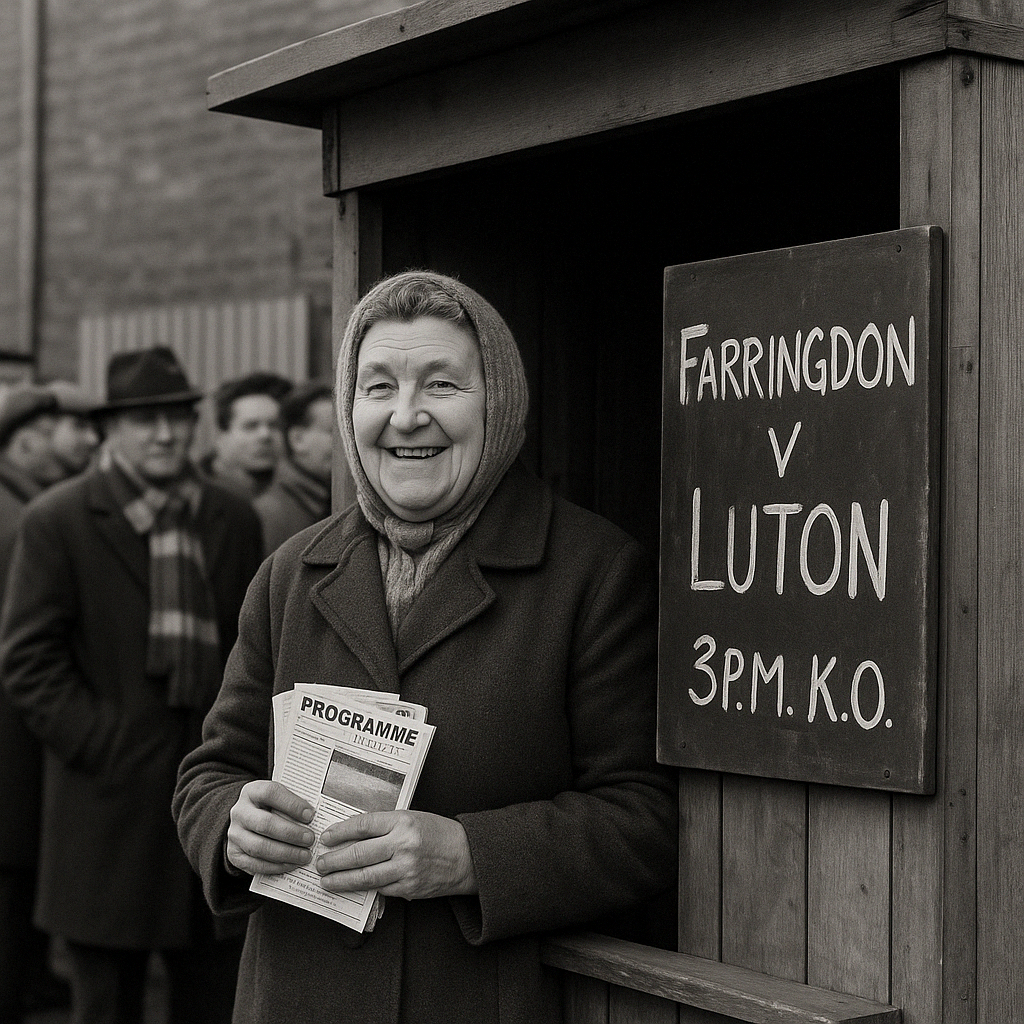
“The roar from The Bank could shake the railway bridges."
"You knew when Farringdon scored — half of North London did.”
— Annie Callow, matchday programme seller since 1956
Asia’s Leader
 Saudi League Cup21
 Arab Titles4
 King's Cup10
 Crown Prince Cup13
 Saudi Super Cup5
 Founder's Cup1
 Prince Faisal Bin Fahad Cup7
 Asian Champions League4
 Asian Cup Winners Cup2
 Asian Super Cup2
 Gulf Clubs Cup2
 Saudi-Egyptian Super Cup1
 Other Titles11
 Regional Titles8
- Saudi League Cup21Arab Titles4King's Cup10Crown Prince Cup13Saudi Super Cup5Founder's Cup1
- Prince Faisal Bin Fahad Cup7Asian Champions League4Asian Cup Winners Cup2Asian Super Cup2Gulf Clubs Cup2Saudi-Egyptian Super Cup1
- Other Titles11Regional Titles8